Quit Smoking in Delhi: A Path Toward Healthier Living
Smoking remains a significant public health concern in Delhi, with thousands of individuals struggling with nicotine addiction. The fast-paced lifestyle, high stress levels, and easy access to tobacco products have contributed to a high prevalence of smoking in the capital city. However, there is hope. With the right resources, medication, and support systems in place, quitting smoking is possible, and it’s never too late to take that first step toward a healthier life.
Why Quit Smoking?
The health benefits of quitting smoking are immense. Within minutes of quitting, your heart rate and blood pressure start to drop, and within a few days, carbon monoxide levels in your blood return to normal. Over time, the risk of heart disease, stroke, and lung cancer significantly decreases. Furthermore, quitting smoking improves your sense of taste and smell, enhances your lung capacity, and reduces the risk of respiratory infections. The positive effects are not only physical but mental as well, with many former smokers reporting improvements in mood and overall well-being after quitting.
In addition to these improvements, lung function starts to improve as well. You may notice a reduction in coughing and shortness of breath as your respiratory system begins to recover. This is especially significant for those who have smoked for years, as it can greatly reduce the risk of chronic respiratory conditions like bronchitis and emphysema. The body’s ability to fight off infections also improves. Smoking weakens the immune system, making it harder for the body to fend off illnesses. After quitting, your immune system strengthens, reducing the likelihood of respiratory infections and diseases.
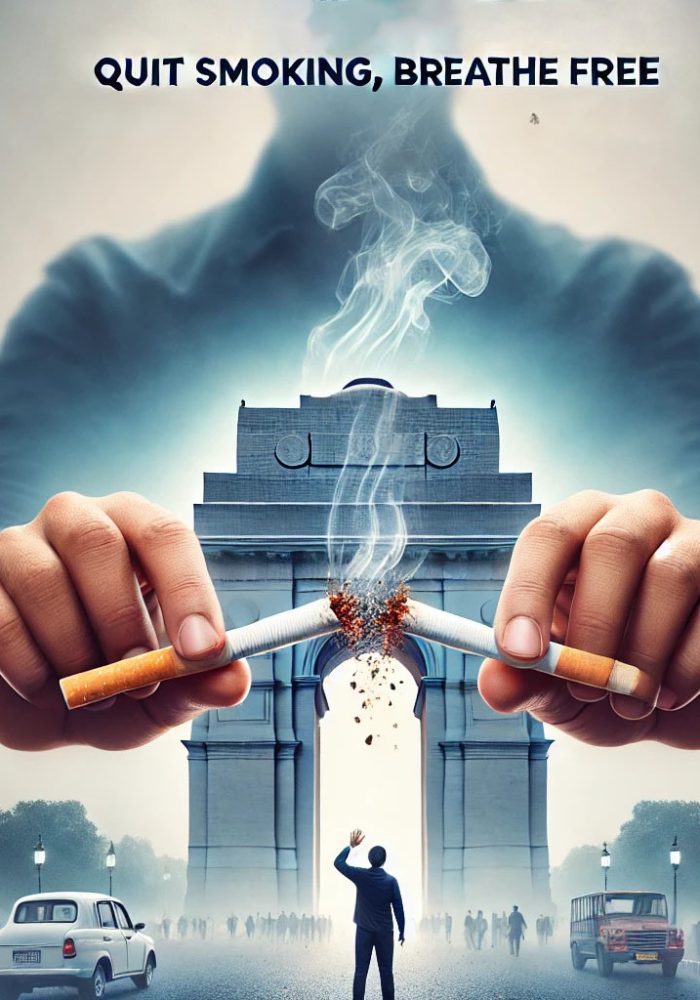
Quit Smoking Support and Cessation Programs in Delhi
Delhi has numerous support systems and smoking cessation programs to help individuals on their journey to quit smoking. These programs are designed to provide emotional and psychological support, which is often necessary when battling nicotine addiction.
Online and Mobile Support: Many online platforms and mobile apps offer support for quitting smoking. These platforms provide personalized tips, progress tracking, and motivational content to keep users on track throughout their quitting journey.
Tobacco Cessation Centers: There are dedicated tobacco cessation centers in Delhi that offer counseling, behavioral therapy, and support for those wishing to quit smoking. Some of the well-known centers include the All India Institute of Medical Sciences (AIIMS) and various public and private hospitals across the city.
Quit Smoking Helplines: The government and several health organizations in Delhi operate helplines where individuals can speak with experts, receive guidance, and learn about available treatments. These helplines provide confidential support and encourage individuals to take action toward quitting.
Smoking Cessation and Tobacco Addiction Treatment
Tobacco addiction is a widespread issue that affects millions of individuals around the world. The addictive nature of nicotine makes quitting smoking a challenging task, but it is achievable with the right treatment and support. Smoking cessation and tobacco addiction treatment are essential for individuals who want to regain control of their health and live a smoke-free life.
Challenges and Solutions in Delhi
One of the key challenges in Delhi is overcoming the temptation to smoke due to environmental factors. With the busy urban lifestyle, many individuals turn to cigarettes as a stress-reliever. Furthermore, the availability of tobacco products in stores and public spaces can make quitting more difficult. However, by staying committed and taking advantage of the resources available in the city, quitting smoking is entirely achievable.
Support for Smoking Cessation in Delhi
In Delhi, there are several resources available to support those seeking to quit smoking. Hospitals, clinics, and specialized centers offer smoking cessation programs that include counseling, therapy, and access to medications. Public health campaigns also play an important role in raising awareness about the dangers of smoking and providing information on available cessation services.
The Dangers of Passive Smoking
Smoking cessation in Delhi is an ongoing challenge, but the efforts to provide support and medication have significantly improved over the years. With the right medications, counseling, and community support, residents of Delhi can break free from the cycle of addiction. Whether it’s through nicotine replacement therapy, prescription medication, or specialized smoking cessation programs, individuals can find a path that works for them. It’s never too late to quit smoking and take a step toward better health. If you or someone you know is struggling with smoking addiction, reaching out to a local cessation program or healthcare provider can be the first step in a successful journey toward a smoke-free life.
Smoking cessation is the process of quitting smoking and stopping the use of tobacco products. It involves eliminating nicotine dependence, breaking the habit, and improving overall health. This can be done through a variety of methods, including medication, behavioral therapy, and lifestyle changes.
Nicotine is highly addictive, and smoking triggers both physical and psychological dependencies. Over time, the brain becomes reliant on nicotine for pleasure and stress relief, making quitting challenging. Additionally, habitual actions like lighting a cigarette after meals or during social activities can make breaking the habit harder.
The benefits of quitting smoking are immediate and long-term:
-
Within 20 minutes: Heart rate and blood pressure drop.
-
After 12 hours: Carbon monoxide levels in your blood return to normal.
-
Within a few days: Improved sense of taste and smell.
-
After 1 month: Lung function improves, and breathing becomes easier.
-
Within 1 year: Risk of heart disease is reduced by half.
-
5–10 years: Risk of stroke and lung cancer significantly decreases.
-
After 15 years: Risk of heart disease is similar to that of a non-smoker.
There is no set timeline for quitting smoking, as the process can vary greatly from person to person. Some people may quit in a few weeks, while others may take several months or longer. However, the longer you stay smoke-free, the less likely you are to relapse. Generally, it takes about 3 to 6 months for your body to adjust fully and for the worst of withdrawal symptoms to subside.
Withdrawal symptoms can vary in intensity and duration but are generally short-lived. Common symptoms include:
-
Irritability
-
Anxiety
-
Difficulty concentrating
-
Increased appetite and weight gain
-
Coughing and sore throat
-
Sleep disturbances
These symptoms usually subside after the first few weeks as the body adjusts to life without nicotine.


